

Summary
- Why a cottage for sale in the Laurentians draws so much interest
- Which Laurentian areas should you favor when buying a cottage
- What is the real budget for buying a cottage in the Laurentians
- Access, snow removal, and services, the essential checks
- Three-season or four-season cottage, how to decide
- How to evaluate a property before making an offer
- Resort market pitfalls to know before buying
- Shopping for a cottage for sale in the Laurentians with confidence
- Frequently asked questions about buying a cottage in the Laurentians
Every year, a cottage for sale in the Laurentians draws hundreds of buyers charmed by the lakes, the mountains, and the proximity to Montreal. But between falling in love with a snowy landscape and making a well-thought-out purchase, there’s a whole world of checks to go through.
This guide offers a concrete method for shopping for a cottage without making mistakes, covering areas, real budget, winter access, and pitfalls specific to the resort market. Each section can be consulted separately depending on where you are in the process, from the initial search to submitting an offer.
Why a cottage for sale in the Laurentians draws so much interest
The Laurentians region combines quick access from Montreal, a varied selection of lakes and mountains, and a real estate market that has been active for several years. These elements explain why demand for a cottage in the Laurentians remains strong, even when mortgage rates fluctuate.
This popularity, however, has a direct effect on prices and on how quickly good properties sell. Shopping for a cottage therefore requires more rigorous preparation than a typical residential purchase in the city.
The pace of the market also varies by season. Viewings pick up in spring and early summer, while fall and winter often make it possible to see a property under conditions closer to reality, particularly for judging access and heating.
The most successful buyers are generally those who defined their needs before starting to view properties. This Desjardins guide on buying a cottage recommends pinning down the desired location, the quality of internet access, and the expected frequency of use before even starting viewings, which avoids a lot of wasted time.
Which Laurentian areas should you favor when buying a cottage
The Laurentians bring together several hubs that are quite different from one another. Some areas offer direct access to major lakes, others focus on proximity to ski slopes, and still others are better suited to quiet, secluded use.
Municipalities such as Sainte-Adèle, Saint-Sauveur, Morin-Heights, or Mont-Tremblant illustrate this diversity well, ranging from villages that are lively year-round to more remote areas where nature dominates. The choice of area mainly depends on intended use, whether occasional stays or regular occupancy.
Before settling on a choice, it’s useful to compare the following elements.
- The actual driving distance from Montreal in hours, including weekend traffic.
- Proximity to services (grocery store, pharmacy, clinic) for year-round use.
- The type of body of water (navigable lake, calm lake, river) based on the activities sought.
Waterfront properties deserve special attention, since they’re subject to distinct rules regarding protective buffer strips, docks, and property title. These elements are detailed in the guide on the specifics of waterfront properties, a useful complement to this article.
What is the real budget for buying a cottage in the Laurentians
The listed price is only part of the bill. Municipal and school taxes, heating, electricity, insurance, the pre-purchase inspection, transfer fees, and notary fees all add on top of the down payment and mortgage, as noted in this Desjardins guide on buying a cottage.
According to a cottage-buying guide published by Protégez-Vous, the annual costs for a mid-sized cottage, including taxes, utilities, insurance, and maintenance, generally range between $5,000 and $15,000 depending on the property’s condition and location.
Here’s an overview of the costs to plan for beyond the purchase price.
| Expense Item | What to Plan For |
| Municipal and school taxes | Varies by municipality, to be verified before making an offer |
| Heating and electricity | Higher for a four-season cottage lived in during winter |
| Home insurance | Premium adjusted if the cottage is waterfront or rented out |
| Pre-purchase inspection | Essential, especially for older properties |
| Snow removal and road maintenance | Annual cost depending on the length and type of access |
| Transfer fees and notary | To be calculated based on the final sale price |
| Margin for unexpected costs | Recommended for unplanned repairs |
Protégez-Vous also notes that isolated properties can complicate mortgage financing, as some lenders are reluctant to finance villages they’re not familiar with.
Getting mortgage pre-approval before shopping makes it possible to know the real budget available and to act quickly when an interesting opportunity comes up on the market, which often makes the difference in an area where good properties move fast.
Access, snow removal, and services, the essential checks
Access to a cottage completely changes the owner’s experience, especially between November and April. A poorly maintained private road can make a property hard to reach several days a year.
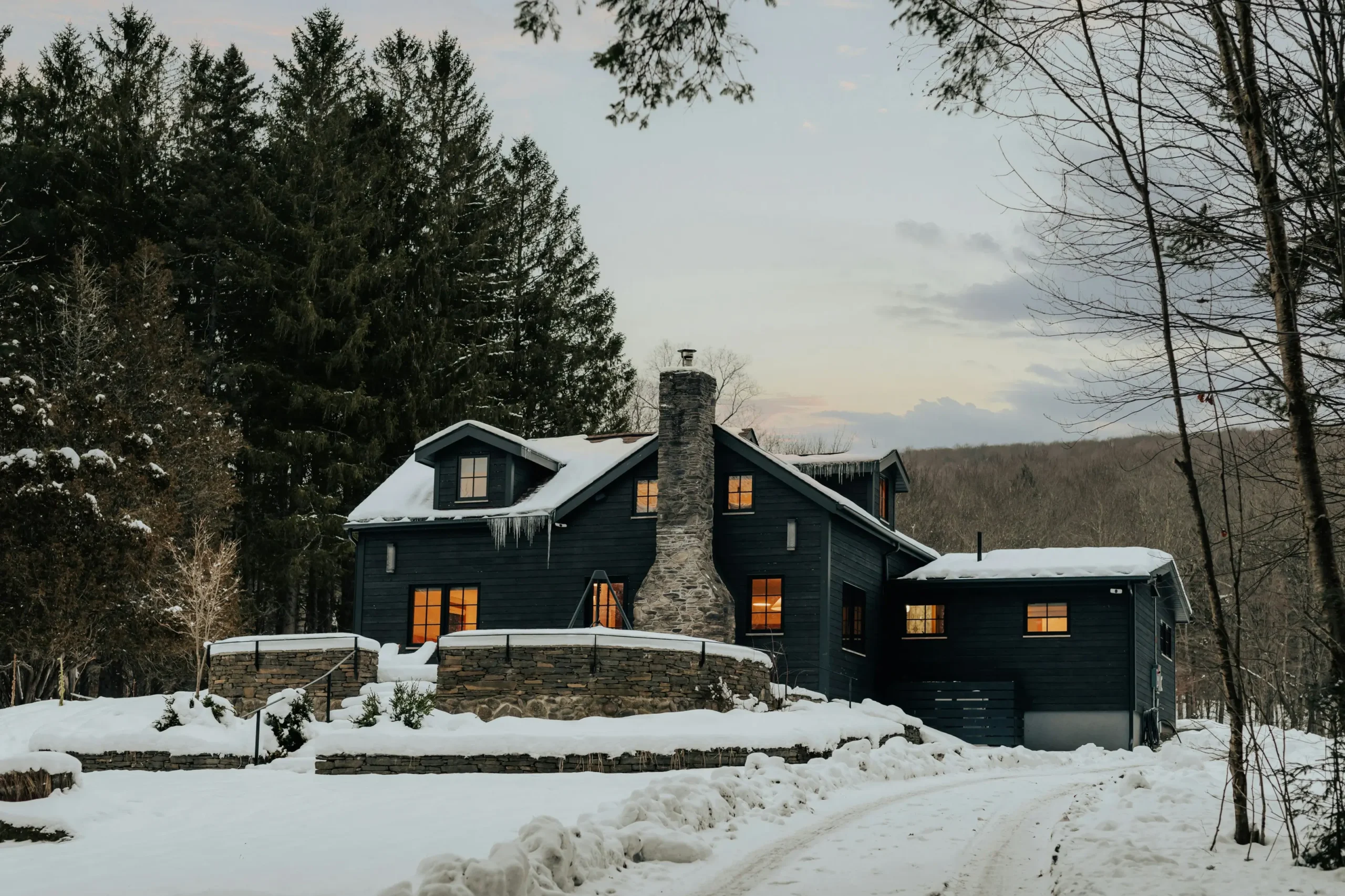
Before making an offer, it’s recommended to check the following concrete points.
- The status of the road (municipal, private, shared right-of-way) and who is responsible for snow removal.
- The availability and real cost of electricity, internet, and cell service on site.
- The compliance of the septic system and the drinking water source.
A winter visit, or at the very least a call to neighbors in the area, often makes it possible to confirm whether the road is truly passable after a heavy storm, a detail that summer photos never reveal.
These checks align with Desjardins’ recommendations, which encourage buyers to verify the applicable municipal regulations, particularly if rental use is being considered.
Three-season or four-season cottage, how to decide
The type of cottage directly affects financing, possible use, and resale value. A three-season cottage, without insulation or full heating, is generally cheaper to buy but limits use to the warmer months.
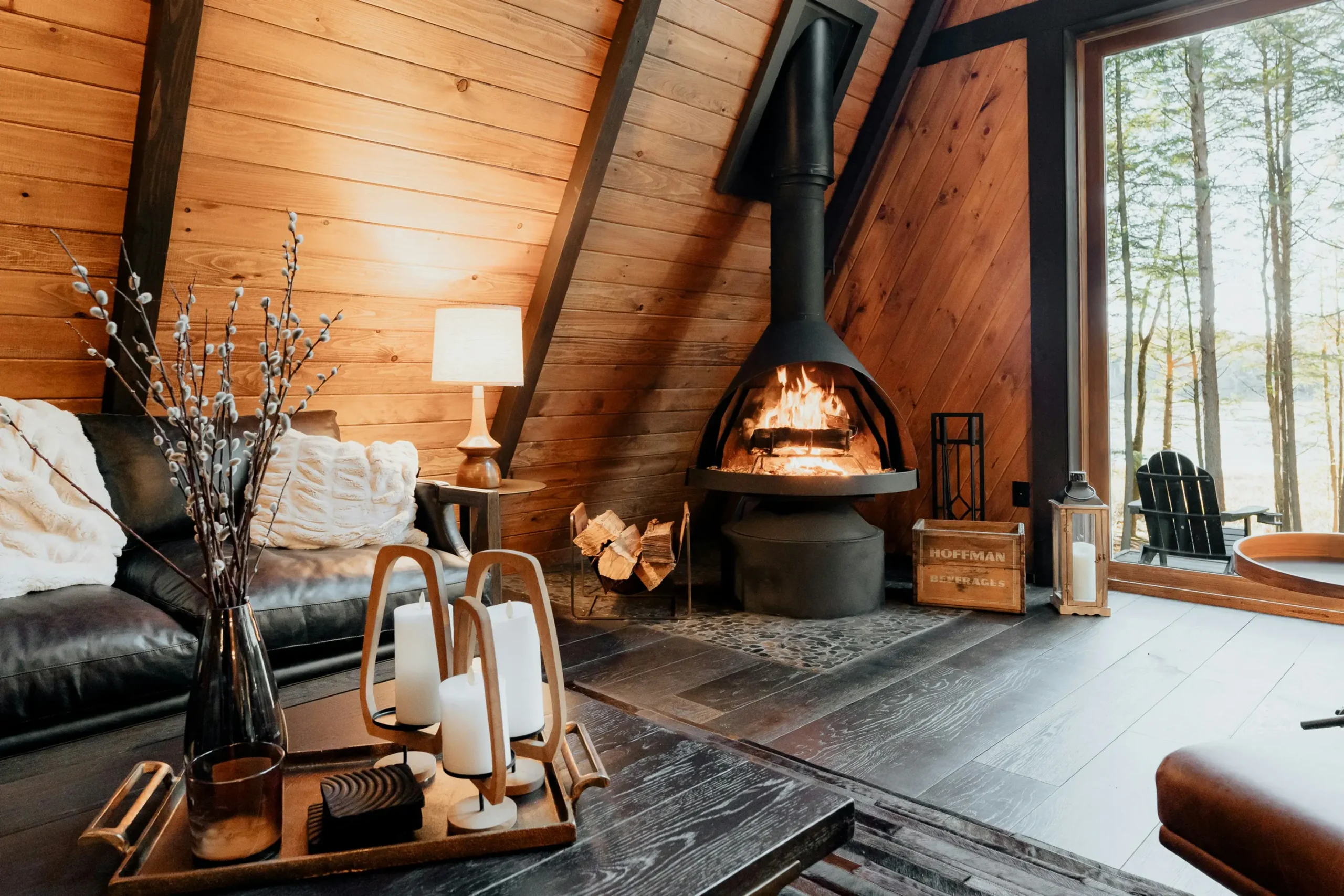
A four-season cottage, properly insulated and heated, allows for year-round occupancy and makes resale easier. Protégez-Vous notes that three-season cottages offer more limited financing and resale options than models designed for winter.
This choice is also worth considering from a return-on-investment angle. Many owners think about turning a cottage into rental income once their personal needs are met, which generally requires a four-season cottage that meets rental requirements.
The price difference between the two categories is often smaller than expected once insulation and heating renovation costs are factored in, which leads many buyers to opt directly for a four-season cottage.
Getting a free real estate appraisal makes it possible to check whether the asking price for a cottage matches its real market value before comparing categories against each other. Requesting a free appraisal takes just a few minutes and helps you negotiate with confidence.
How to evaluate a property before making an offer
A pre-purchase inspection is never an unnecessary expense. As this Protégez-Vous guide on buying a cottage points out, a rushed inspection can lead to very costly surprises once the transaction is complete.
Before submitting an offer, it’s also useful to compare the asking price with the real value of the local market, taking into account the property’s condition, its access, and its waterfront characteristics if applicable.
This comparison helps avoid two common mistakes: paying too much for a property you’ve fallen in love with, or overlooking a well-priced property simply because it requires a bit more research before purchase.
Resort market pitfalls to know before buying
The resort market follows different rules than the urban residential market. The scarcity of certain types of cottages, the seasonality of viewings, and buyers’ emotional attachment sometimes create bidding wars that aren’t fully justified by the property’s real value.
Some pitfalls come up more often than others.
- Paying a premium for a cottage whose installations don’t meet current standards.
- Failing to check for rights-of-way or shared waterfront access easements.
- Underestimating the long-term costs of remote travel and maintenance over several years.
It’s also wise to be wary of listings that focus mainly on the scenery and say little about the property’s technical features, a common sign that an access, structural, or compliance issue deserves closer scrutiny before any visit.
To compare the options actually available before shopping more actively, checking out the cottages currently for sale in the region remains a good starting point.
Shopping for a cottage for sale in the Laurentians with confidence
Shopping well for a cottage for sale in the Laurentians means looking past the initial infatuation to check the real budget, winter access, available services, and the specific features of the chosen area. A thorough inspection and a careful reading of the resort market help avoid most unpleasant surprises.
Every cottage project is unique, depending on the area, the type of body of water, and the intended year-round use. Getting in touch with a local broker remains the best way to get tailored guidance before making an offer.
Frequently asked questions about buying a cottage in the Laurentians
What influences the price of a cottage for sale in the Laurentians the most?
The price of a cottage for sale in the Laurentians mainly depends on access to the body of water, the quality of the road in winter, the presence of municipal services, and the type of construction—three-season or four-season. Waterfront properties with easy year-round access generally sell for more than those on an isolated private road, which is harder to maintain and resell down the line.
How much does annual upkeep cost for a cottage in the Laurentians?
According to Protégez-Vous, the annual costs for a mid-sized cottage, including taxes, utilities, insurance, and maintenance, generally range between $5,000 and $15,000. This amount varies depending on the age of the construction, the quality of the insulation, the type of access, and whether the cottage is waterfront or located in a more secluded part of the region, which is why it’s worth budgeting a margin from the outset.
Is it hard to get financing for an isolated cottage?
It can indeed complicate things. Some mortgage lenders are reluctant to finance properties located in small villages they’re not familiar with, especially three-season cottages without full heating. Getting pre-approval before shopping makes it possible to know the actual options offered by different lenders and to avoid unpleasant surprises when submitting an offer on the cottage in question.
Is it absolutely necessary to have a cottage inspected before buying it?
Yes, a pre-purchase inspection is considered non-negotiable by experts in the field, particularly for an older or isolated cottage. A rushed or skipped inspection can hide structural problems, a faulty septic system, or a non-compliant water source, leading to costly repairs once the transaction is complete. This budget should always be planned for from the start, without exception, regardless of the asking price.


